New - 5 Days Ago
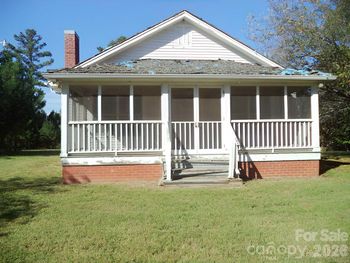
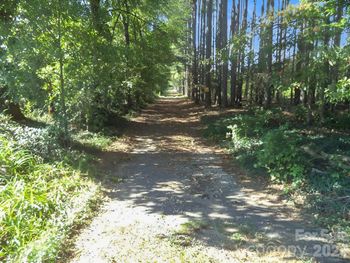
$199,900
Active
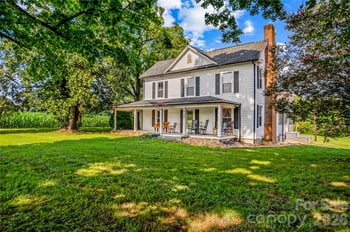
3
Beds
2
Baths
1368
Sqft
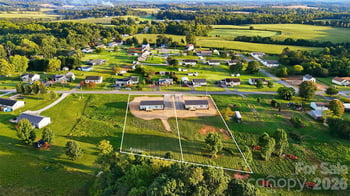
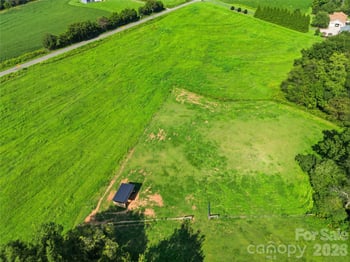
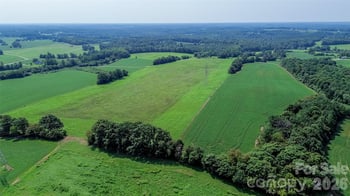
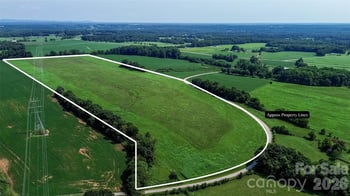
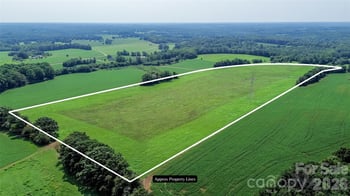
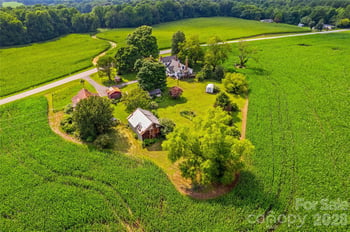
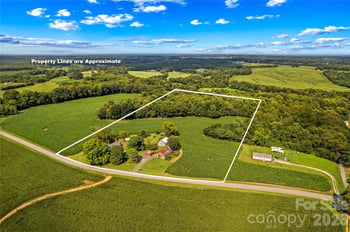
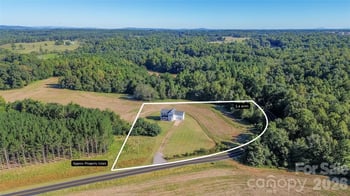
1.39
Acres
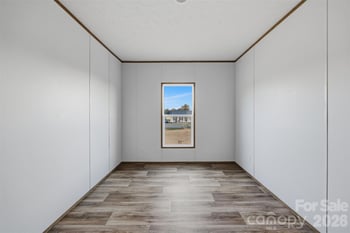
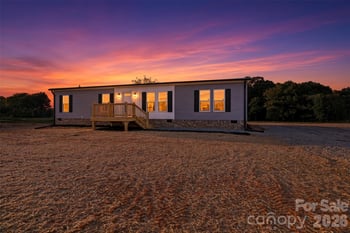
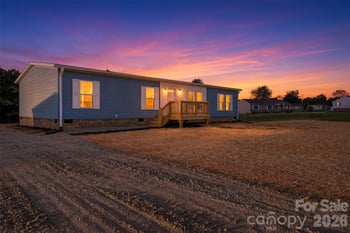
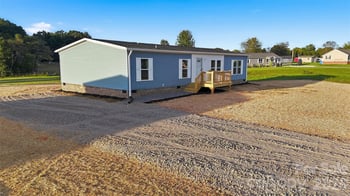
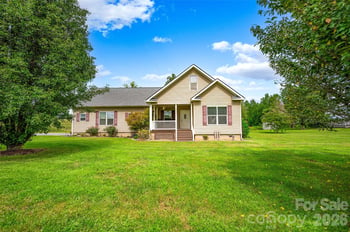
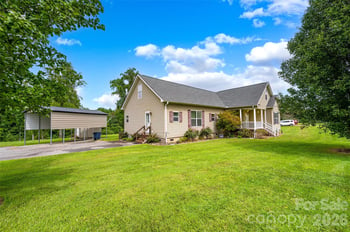
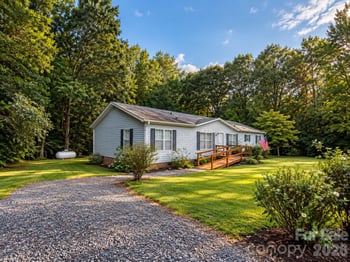
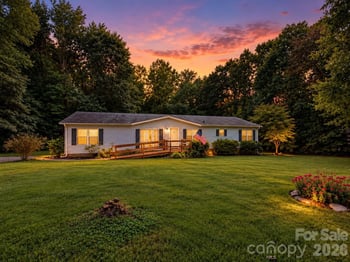
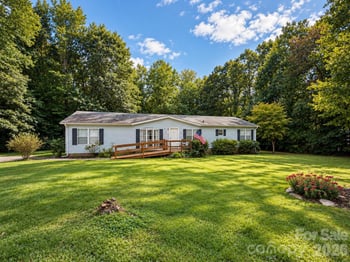
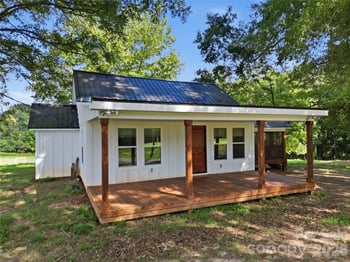
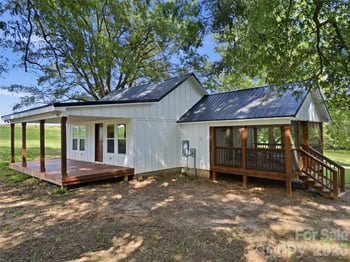
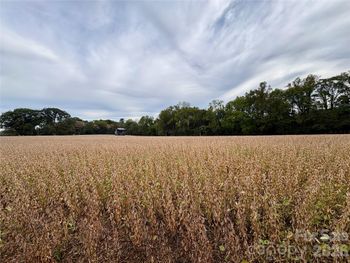
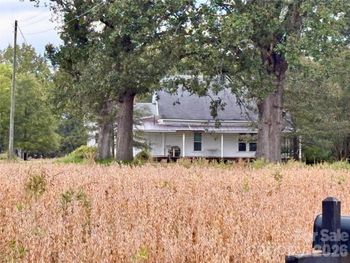
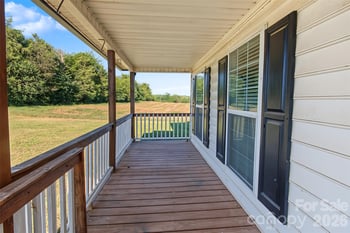
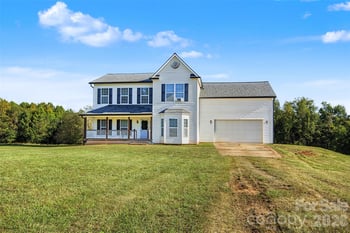
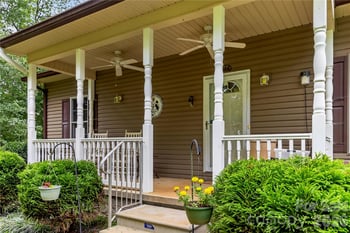
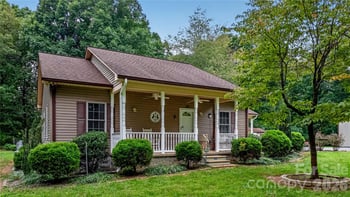
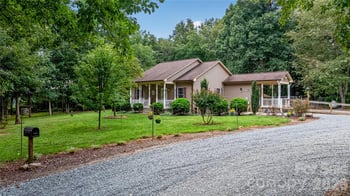
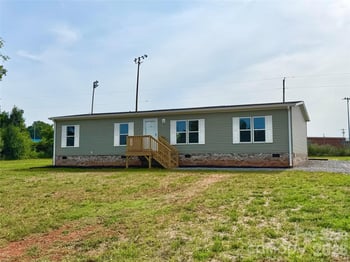
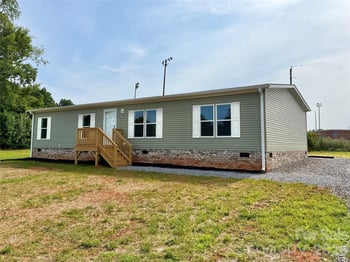
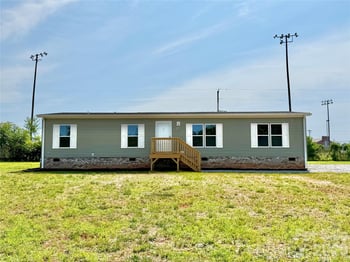
149 Mount Vernon Church Rd, Olin, NC 28660
MLS#: CAR4432827



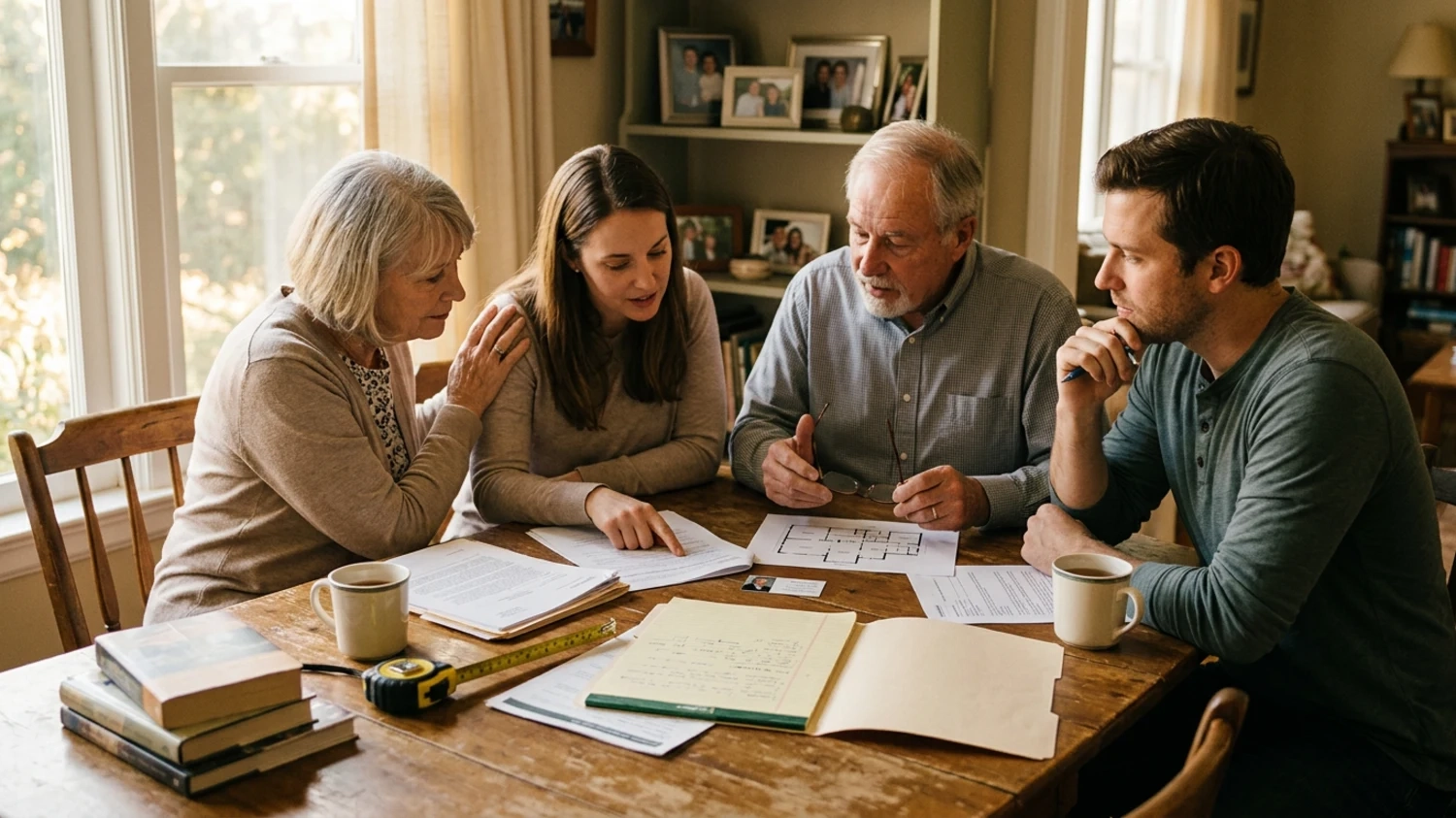
Selling an inherited home usually involves an extra layer that a typical sale does not: confirming who has legal authority to sell, whether the estate is still moving through probate, and whether all heirs are in agreement on the sale itself. None of that changes the real estate process, but it changes the order of operations before that process can start.
Generally, whoever is named executor or administrator of the estate needs the legal authority to sign a listing agreement and, eventually, a deed. If the property is still working through probate court, that authority may not be fully in place yet. This is genuinely a legal question, not a real estate one, and it is worth confirming with an estate attorney before a home hits the market.
Inherited homes are often sold as-is, especially when heirs live out of the area and do not want to manage a repair project remotely. That is a completely reasonable call, and it is worth reading alongside our post on selling your home as-is, which covers the trade-offs in more depth. A cash offer is also worth evaluating in these situations; see how cash home buyers work for that comparison.
When a property has more than one heir, getting everyone aligned on timeline, price expectations, and whether to repair or sell as-is before listing saves real friction later. A short family conversation up front, ideally with the estate's legal guidance, tends to prevent a much harder one mid-transaction.
This post is for general educational purposes only and is not legal, tax, or financial advice. Real estate laws, loan programs, and market conditions change over time, and older posts may not reflect current details. Confirm specifics with your agent, a real estate attorney, a lender, or a tax professional before making a decision.
Portions of this content were drafted with AI assistance and reviewed by our team before publishing. Nothing on this page creates a client relationship with Gonzalez Realty.