



The difference in one sentence
Pre-qualification is a quick, informal estimate based on numbers you self-report. Pre-approval involves a lender actually verifying your income, assets, and credit, and results in a conditional commitment you can put behind an offer.
Why the distinction actually matters
In a competitive market, a seller comparing offers can usually tell the difference, and a pre-approval letter carries far more weight than a pre-qualification estimate. Sellers have been burned by buyers who were pre-qualified but not actually able to secure financing, so pre-approval signals a level of seriousness that pre-qualification doesn't.
What pre-approval actually requires
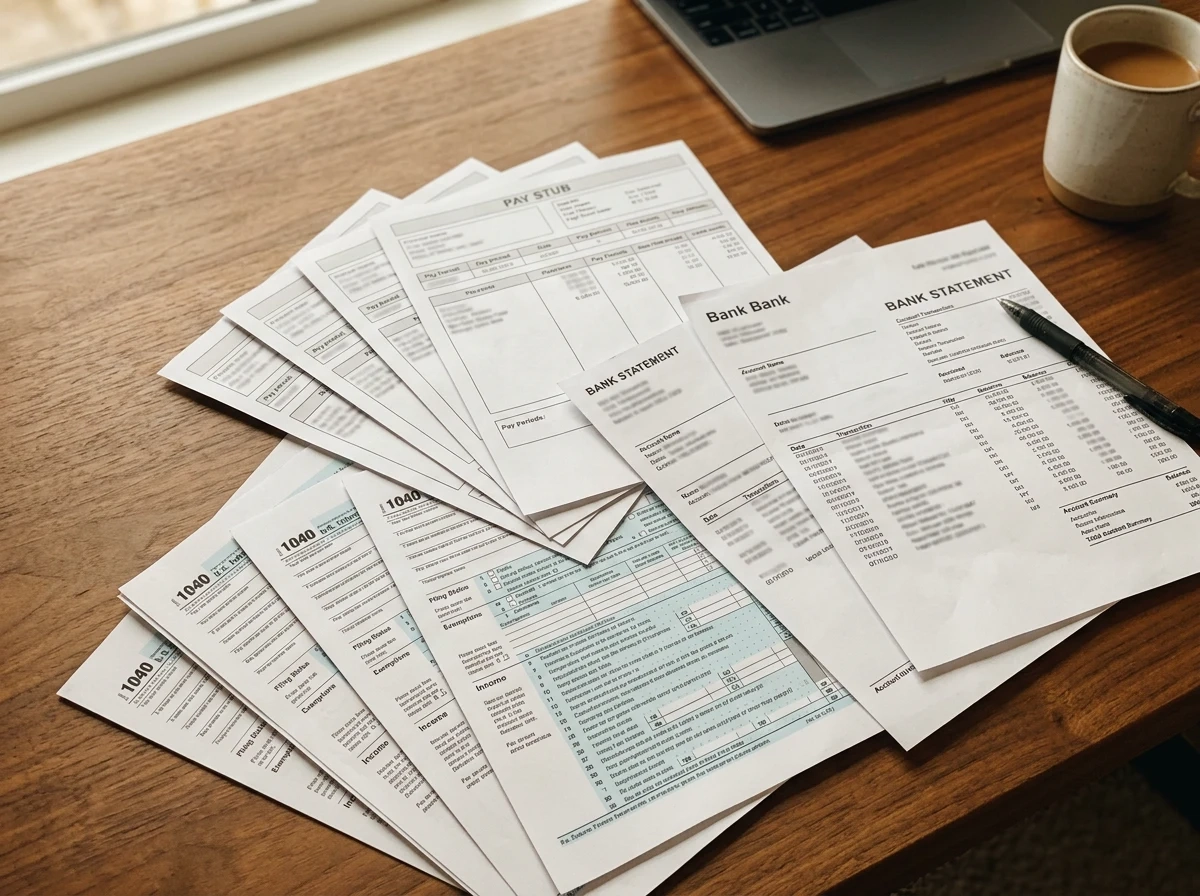
Expect to provide pay stubs, tax returns, bank statements, and to authorize a credit check. It takes more upfront effort than pre-qualification, but it's effort spent once, before you're competing for a specific house under time pressure.
When to start this process
Before you start seriously touring homes, not after you've found one you love. Getting pre-approved early means you can move immediately when the right house appears, rather than losing days to a process you could have finished weeks earlier.
Once pre-approved, understanding what protects you in an offer matters just as much; see what contingencies should be in your offer.
Frequently asked questions
See the Full Home Buying Process
This post is for general educational purposes only and is not legal, tax, or financial advice. Real estate laws, loan programs, and market conditions change over time, and older posts may not reflect current details. Confirm specifics with your agent, a real estate attorney, a lender, or a tax professional before making a decision.
Portions of this content were drafted with AI assistance and reviewed by our team before publishing. Nothing on this page creates a client relationship with Gonzalez Realty.