New - 4 Days Ago


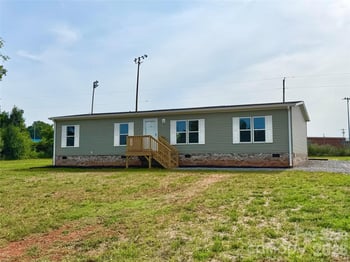
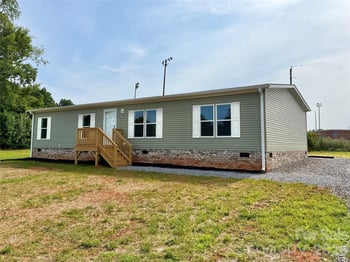
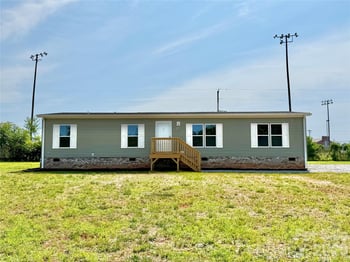
$199,900
Active
3
Beds
2
Baths
1368
Sqft
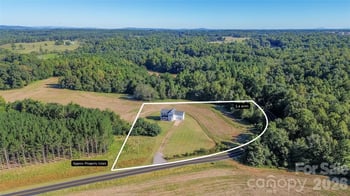
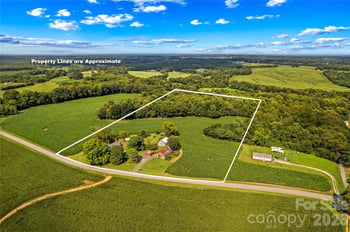
1.39
Acres
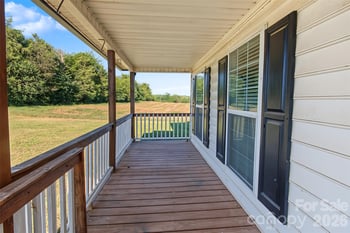
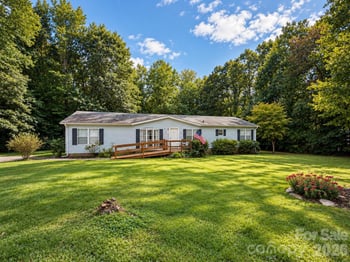
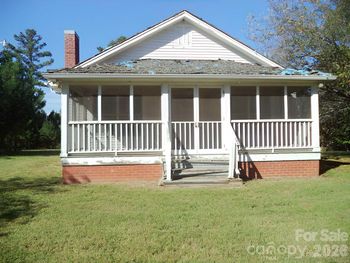
149 Mount Vernon Church Rd, Olin, NC 28660
MLS#: CAR4432827




If you are buying a home in North Carolina, you will be asked for two separate sums of money long before you get to closing. They sound similar, people use the names interchangeably, and they behave in completely different ways. Getting them confused is one of the more expensive misunderstandings in a home purchase here, so it is worth ten minutes to get it straight.
North Carolina does something unusual. Most states run a purchase contract on a list of named contingencies: an inspection contingency, a financing contingency, and so on, each one a specific escape hatch. North Carolina replaces most of that with a single stretch of time called the due diligence period, during which you can investigate the home and walk away for any reason at all. That freedom is real, and it is paid for.
The due diligence fee is paid directly to the seller, usually at the time the contract is signed. It is the seller's money from that moment. In exchange, the seller takes the home off the market and gives you a window in which to inspect it, appraise it, arrange financing, review the survey, check the HOA documents, and generally satisfy yourself that you want to go through with it.
If you walk away during that window, you do not get the fee back. That is not a penalty, that is what you bought with it. You paid for the option to change your mind, and you exercised the option.
There is no set amount. It is negotiated, and it moves with the market and with how competitive the situation is. A larger fee is one of the ways a buyer signals to a seller that they are serious and unlikely to walk, which is why it becomes a lever in a competitive offer.
Earnest money is different in almost every respect. It is not paid to the seller. It is held by a neutral escrow agent, typically the closing attorney or a real estate firm's trust account, and it sits there untouched.
If the sale closes, your earnest money is credited toward your purchase, so it is not an extra cost, just an early one. If you terminate during the due diligence period, it generally comes back to you. If you walk away after the due diligence period ends, without a contractual right to do so, that is when it is genuinely at risk.
Say you go under contract with a due diligence fee and an earnest money deposit. During the window, the inspection turns up a foundation problem you are not willing to take on. You terminate. You lose the due diligence fee. Your earnest money is returned. You are out the fee and the cost of the inspection, and that is the system working exactly as designed: you paid for the right to find that out.
Now say the same problem surfaces, but you are slow arranging the inspection and the due diligence period expires before you act. Now you are past the deadline. Terminating at this point puts your earnest money at risk as well, and depending on the contract, the seller may be entitled to it. Same house, same defect, very different outcome, and the only variable was the calendar.
That is why the deadline matters more than almost anything else in the early part of a purchase. It is also why an agent tracking those dates for you is doing something more valuable than it looks from the outside.
Book your inspection immediately, not eventually. The due diligence clock starts running the moment you are under contract, and inspectors get busy.
Put every contract date into a calendar the day you sign, with reminders several days ahead of each one. This is the single highest-value habit in the whole process, and it costs nothing.
Talk to your lender early. Financing problems tend to surface late, and you want them surfacing while you still have the protection of the due diligence window rather than after it closes.
And if anything is agreed along the way, a repair, a credit, an extension, get it in writing as an amendment to the contract. Not a text message, not a verbal understanding at a showing. In writing.
Both of these figures, and the length of the window itself, are negotiable, and how you set them is a strategy decision rather than a formality. If you want to see how they fit into the wider purchase, the home buying process lays out the full timeline, and what contingencies belong in your offer covers the protections that sit alongside them.
Talk Through Your Offer With Us
This post is for general educational purposes only and is not legal, tax, or financial advice. Real estate laws, loan programs, and market conditions change over time, and older posts may not reflect current details. Confirm specifics with your agent, a real estate attorney, a lender, or a tax professional before making a decision.
Portions of this content were drafted with AI assistance and reviewed by our team before publishing. Nothing on this page creates a client relationship with Gonzalez Realty.