New - 2 Days Ago


$425,000
Coming Soon
3
Beds
2
Baths
1617
Sqft
0.95
Acres
7180 Forney Hill Rd, Denver, NC 28037
MLS#: CAR4431111


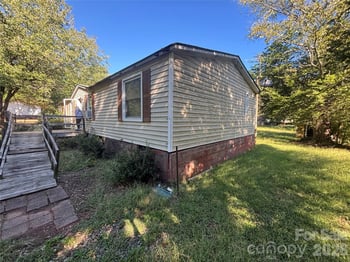


Buying your first home in North Carolina is more doable than most people expect. There is real help for down payments, closing costs, and the loan itself, and a lot of it goes unclaimed simply because buyers do not know it exists. The catch is that help comes with rules, and the rules are where a first-timer can trip. This is the plain-language version, and the start of a conversation, not a sales pitch.
Gonzalez Realty is an independent, education-first brokerage on the west shore of Lake Norman. We walk first-time buyers through the whole thing in plain terms, the right way, not the easy way. Hablamos Espanol.
Most first-time buyers assume they need years of saving and a perfect credit score. Often the real gap is just information. We start by showing you where you actually stand and what is genuinely within reach today.
The state's housing finance agency runs the programs most North Carolina first-time buyers use, typically a competitive mortgage paired with down-payment assistance, plus a mortgage tax credit option in some cases. Amounts, income limits, and eligibility change from year to year, so we will not quote a figure that might be stale. We will check the current terms with you and tell you honestly whether you qualify and whether it is actually your best move. Many local and lender programs stack on top, and a grant and a forgivable loan are not the same thing, a distinction worth understanding before you sign.
Beyond state programs, the loan type itself can shrink the cash you need up front:
We walk the whole path with you: budget and pre-approval, the right loan, touring with someone on your side, a sound offer, and a clean closing. Plain language at every step, in English or Spanish.
Most of the stress comes from not knowing the order of operations. Here is the shape of it: get clear on budget and credit, get pre-approved so you know your real number, bring an agent who works for you, search and tour, make a sound offer, complete inspection and appraisal, and close. We are with you at each step, and we slow down on the ones that matter most for a first home.
You do not have to choose between the lake and a first-time budget. The west shore (Denver, the broader Lincoln County area, and the NC-16 corridor) still offers first homes, townhomes, and condos within reach, with a commutable drive to Charlotte. We will help you weigh neighborhoods, commute, and long-term value, and we do it in plain language, in English or Spanish.
The first step is not a listing, it is a plan. Tell us where you are (saving, just curious, or ready to look) and we will map out what programs fit, what you would need, and what your first home could realistically look like. No pressure, no obligation.
Talk to a First-Time Buyer Specialist
This guide is part of the Lake Norman buyer's roadmap. If you want the whole timeline rather than the money side, start with the home buying process.
This page is general information, not legal or financial advice. Confirm the specifics of your situation with your agent, lender, or attorney.